
The Essentials of Education in Holistic Health
Holistic health focuses on the whole person. It considers physical, mental, emotional, social, and spiritual well-being. This approach aims to balance all parts of life for better health. Education in holistic health helps people understand how to care for themselves naturally and effectively.
Understanding Education in Holistic Health
Education in holistic health teaches how to maintain balance in life. It covers various methods and practices that support overall wellness. This education is practical and easy to apply. It includes learning about nutrition, exercise, stress management, and natural remedies.
For example, a person might learn how to use herbs to support digestion or practice breathing techniques to reduce anxiety. The goal is to empower individuals to take control of their health. This education also encourages lifestyle changes that promote long-term well-being.

The Role of Nutrition in Holistic Health
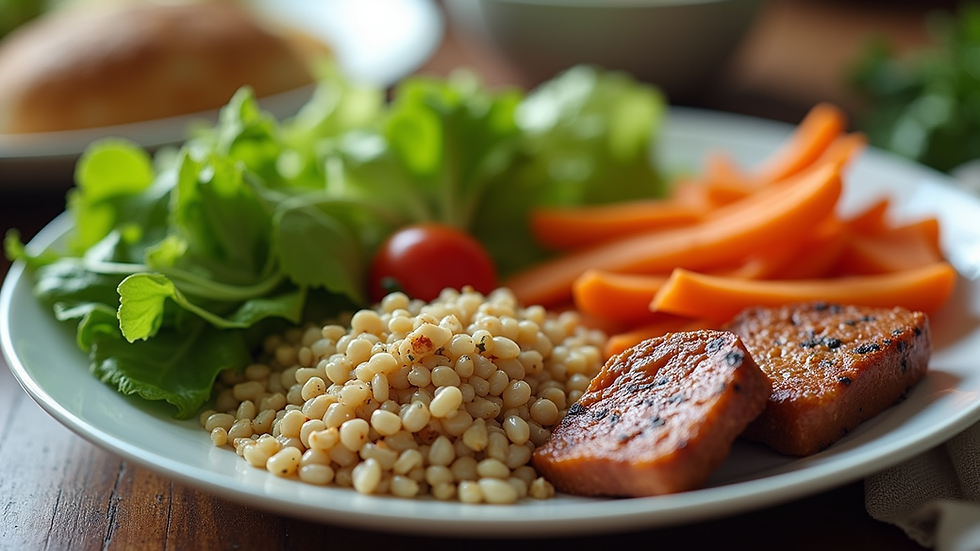
Nutrition is a key part of holistic health. It involves eating whole, natural foods that nourish the body. Education in this area explains the benefits of fruits, vegetables, whole grains, and lean proteins. It also highlights the importance of hydration and avoiding processed foods.
Practical advice includes meal planning, reading food labels, and understanding portion sizes. For instance, learning to prepare balanced meals with fresh ingredients can improve energy and immunity. Nutrition education also covers how food affects mood and mental clarity.
What are the 5 Areas of Holistic Health Care?
Holistic health care focuses on five main areas:
Physical Health - Exercise, sleep, and medical care.
Emotional Health - Managing stress, emotions, and mental health.
Social Health - Building strong relationships and community support.
Spiritual Health - Finding purpose, values, and inner peace.
Environmental Health - Living in harmony with the environment and reducing toxins.
Each area is important. Education helps people understand how these areas connect. For example, poor sleep (physical health) can affect mood (emotional health). Learning to balance these areas leads to better overall health.
Practical Steps to Start Holistic Health Practices
Starting with holistic health practices can be simple. Here are some steps to follow:
Assess your current health - Identify areas that need improvement.
Set realistic goals - Focus on small, achievable changes.
Incorporate natural remedies - Use herbs, essential oils, or supplements wisely.
Practice mindfulness - Try meditation or deep breathing daily.
Stay active - Choose exercises you enjoy, like walking or yoga.
Connect with others - Join groups or attend seminars for support.
These steps help build a strong foundation. Consistency is key. Over time, these habits improve well-being naturally.
How Personalized Consultations Enhance Holistic Health Learning
Personalized consultations provide tailored advice. They consider individual needs, lifestyle, and health goals. During a consultation, a practitioner may review diet, stress levels, and physical activity. They then recommend specific changes or natural products.
This approach ensures that health plans are practical and effective. It also allows for adjustments based on progress. Personalized support increases motivation and success in adopting holistic health habits.
Building a Community for Holistic Health Support
Community plays a vital role in holistic health. Being part of a group encourages accountability and shared learning. Seminars, workshops, and support groups offer opportunities to connect with others on a similar path.
Communities provide resources and motivation. They also create a safe space to ask questions and share experiences. This social support strengthens commitment to holistic health practices.
Moving Forward with Holistic Health Education
Education in holistic health is a continuous journey. It requires openness to learning and trying new methods. By focusing on the whole person, it promotes lasting health improvements.
I encourage exploring natural solutions and seeking guidance when needed. Use available resources and connect with experts. This approach helps maintain balance and enhances quality of life.
For more information, book a holistic health education session.


Comments